Keep The Finish Line In Sight As You Reach For Your Goals
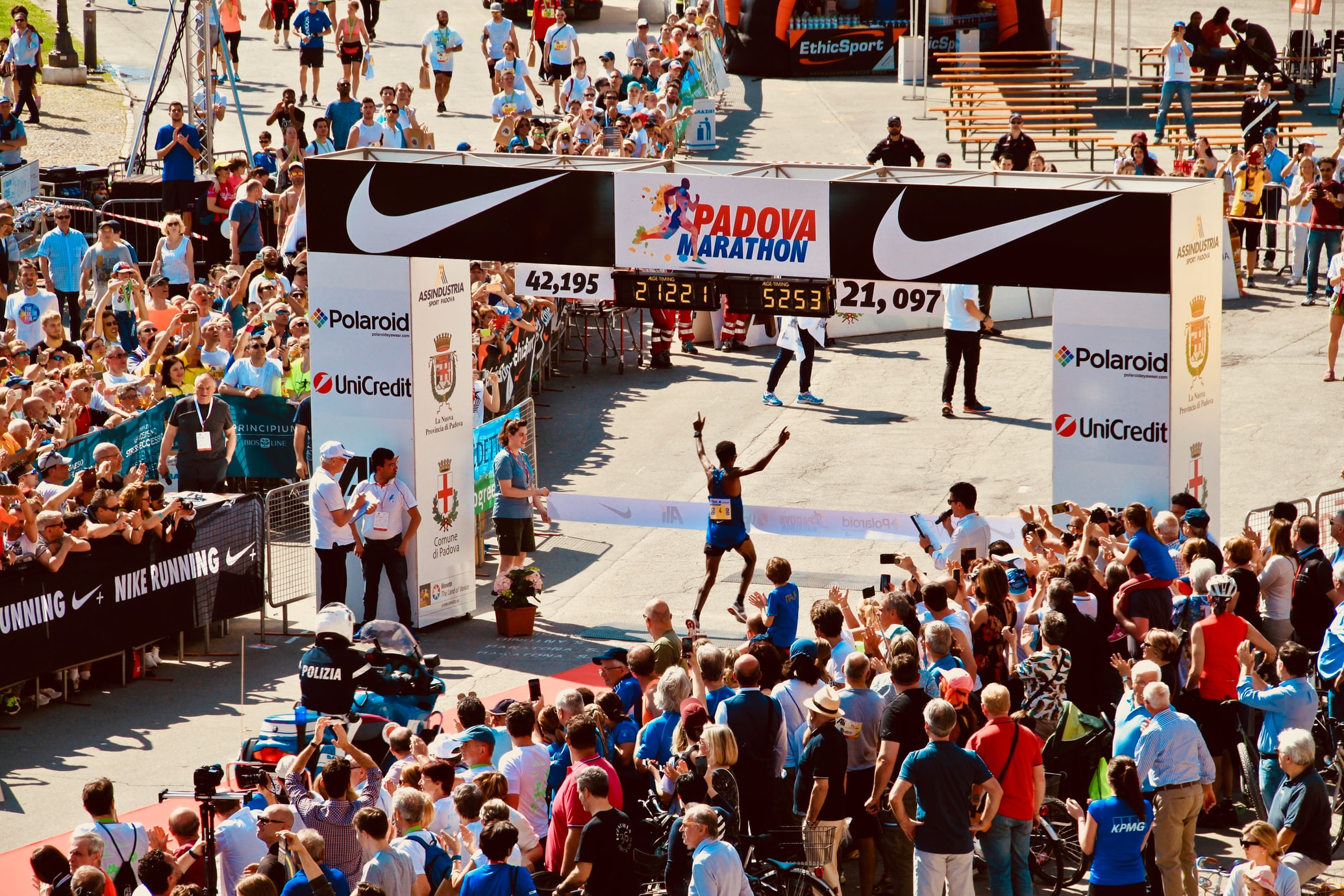
Photo credit: Pietro Rampazzo, Unplash
Seeing the Finish Line
On July 4, 1952, Florence Chadwick waded into the Pacific Ocean off Catalina Island and began swimming toward the California coast, twenty-one miles away. She was already a legend by then — the first woman to swim the English Channel in both directions — and endurance was not the question. The question that day was visibility.
Fog lay on the water like a lid. Chadwick could barely make out the shapes of the boats escorting her, let alone a coastline. She swam anyway. Fifteen hours passed. Her arms went numb, then her judgment started to go with them, and she asked to be pulled out. Her mother, riding alongside in one of the boats, called across the water that the shore was close — that she could make it.
Chadwick swam a little longer, then stopped. The crew lifted her into the boat.
She had been less than half a mile from the beach.
At the press conference the next day, someone asked her what happened. Chadwick didn't blame her arms or her training. She said that if she had been able to see the shore, she believed she would have finished. It wasn't her body that quit in the fog. It was her mind, starved of a picture to swim toward.
Two months later, she tried again. The same fog rolled in at the same place in the swim. But this time Chadwick carried the coastline in her mind, whether her eyes could find it or not — she had decided, before she ever entered the water, exactly what she was swimming to. She finished the crossing.
Nothing about the ocean had changed between her two attempts. What changed was that she stopped waiting for the fog to clear and started seeing the shore anyway.
That distinction — between a goal you can only hope is out there and one you can actually picture — is the difference between quitting a race and finishing it stronger than you started.
A vague wish for a good season doesn't survive mile three. A specific, carried image of the finish does. Watch any distance race in its final stretch, and you'll see the proof: runners who look finished with nothing left suddenly find another gear the moment the chute comes into view. Nothing about their fitness changed in that instant. Their fog just cleared.
That flash of energy has a name. It's hope — not wishful thinking, but the very practical fuel your body reaches for when the goal stops being an abstraction and becomes something you can see. Hope is what Chadwick was missing in the fog the first time and what she carried with her the second. It's available to anyone willing to build a clear enough picture of where they're headed and hold onto it when the conditions turn against them.
So here's the question worth sitting with before each season starts: have you ever pulled up short a few hundred meters from something that mattered to you, not because your legs gave out, but because you couldn't see it happen yet? And are you willing to go back into the fog one more time — this time with the shore already fixed firmly in your mind?
If you can find a way to see your finish line before you ever reach it, the surge you need to get there will find you when you need it most.
Each season, that's the work in front of us. We're going to set goals big enough to be worth chasing, dig into the why underneath them, and practice — deliberately, every week — the discipline of seeing the finish line long before we're close enough to touch it. That's where each cross-country and track and field season begins.
Like Florence Chadwick, we're going to find our own way to break the tape this year — and it's going to look different for every single runner.
Blessings, Coach Weber
Philippians 4:13
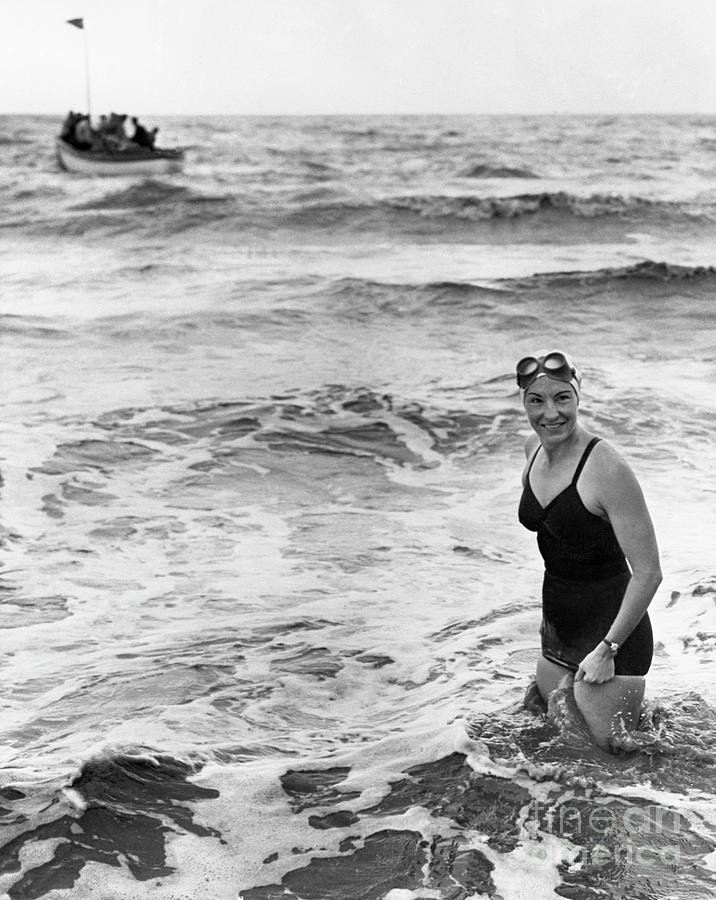
Florence Chadwick, Photograph by Bettmann