Run, Forrest, Run — And What His Story Teaches Every Coach
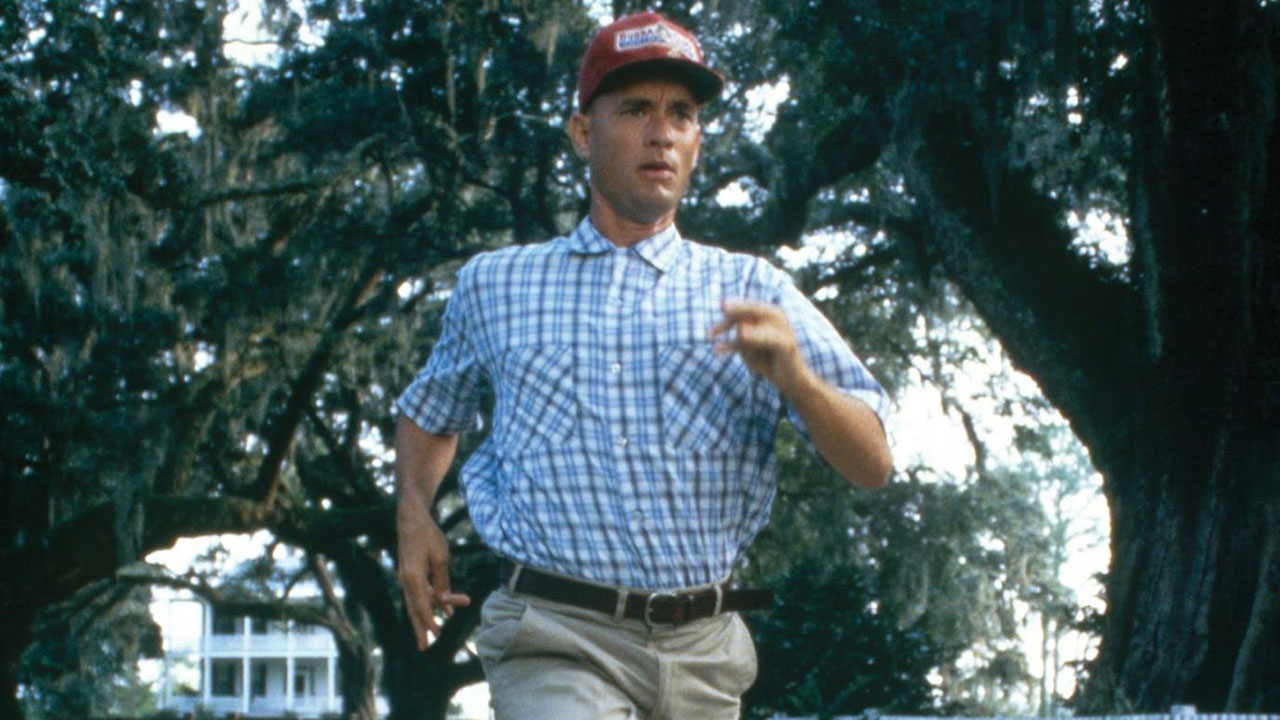
Forrest Gump, played by Tom Hanks, is running in the movie.
Photo Credit: Paramount Pictures
By Coach Larry Weber
On the flight back home from California to Washington State, I watched Forrest Gump again. Maybe the third time. Maybe the fourth. It doesn't matter. The thing about great stories is that they give you something new every time — because you are different every time.
This time, I teared up a few times.
The Boy Nobody Believed In
Forrest Gump wasn't supposed to make it.
His classmates mocked him. Adults wrote him off. In the social hierarchy of childhood — that brutal, unforgiving world children construct before they know any better — Forrest was at the bottom. Too different. Too slow. Too other.
So, the bullies came for him. Regularly. Predictably. Until one day, his friend Jenny turned and shouted the three words that changed everything:
"Run, Forrest, run!"
And he ran. Not gracefully. Not with technique. He ran the way a boy runs when survival depends on it. And somewhere in that desperate, full-out sprint, something happened that nobody expected — Forrest Gump discovered who he was.
Through running, he uncovered a deep sense of hope. Once you grasp hope, it becomes an unstoppable force in your life.
I know this because running did the same thing for me. I was bullied as a boy. I know the weight of that — the way it presses on the chest, the way it follows you home, the way it whispers in the quiet moments that maybe they're right about you. I wrote about my own journey through that in a post called "The Old Man Shuffle Contains Many Life Lessons." The core message was this: when adversity hits you between the eyes, you get to choose — bitter or better. Choose better. Choose life.
But Forrest's story isn't really about running.
The Real Hero Wears No Jersey
The true hero of Forrest Gump is his mother.
While Forrest was being mocked and marginalized, his mother — played with aching tenderness by Sally Field — was doing something quietly radical. She was refusing to see her son through the world's eyes. She looked at the boy everyone else had dismissed and saw someone worth believing in, worth fighting for, worth loving without condition.
She told him he was capable. Repeatedly. Persistently. The way a river carves stone — not with one dramatic blow, but with faithful, steady pressure over time.
Those words became his foundation. Long after she was gone, they were still holding him up.
That's the power of a great coach.
The Church speaks of sport as an arena for the formation of the whole person — body, soul, and spirit together. Forrest's mother understood this intuitively, decades before any document put it into words. She wasn't trying to produce an athlete. She was trying to form a human being — a son who knew his worth did not depend on what he could or couldn't do, but on who he was.
That's coaching at its highest calling.
We All Need a Mama Bear
I've been coaching distance runners for a long time. In that time, I've learned that the most important thing I can give an athlete is rarely a training plan.
It's belief.
A strong advocate — a parent, a coach, a teacher, a friend — who genuinely, stubbornly believes in you can be the difference between a life lived in the shadow of other people's opinions, and a life lived in full. I have actively sought out the kids on the school grounds who don't fit the mold — the ones with ADD, ADHD, learning differences, physical limitations — because I have seen, again and again, what happens when someone decides to see their heart instead of their label.
Michael Phelps was one of those kids.
Twenty-eight Olympic medals. The most decorated athlete in the history of the Games. And he nearly got swallowed by a system that saw his ADHD as a problem to be managed, not a gift to be unleashed. His mother refused that story. She fought for him the way Forrest Gump's mother fought for her son — fiercely, faithfully, without apology.
I sometimes wonder: was Michael Phelps given ADHD for a reason? Not as a burden, but as a vehicle — a means by which his story could reach and inspire millions who feel like they don't fit, who feel like the system is against them, who need to see that difference can be destiny?
I believe it can be.
Every Person Carries the Image of God
Here is what I know to be true, and what every coach, teacher, and parent needs to hear:
No child is disposable. Not one.
Each person on this earth carries the image of their Creator — stamped into their DNA, woven into their unique gifts, expressed through the particular way they see and move through the world. The Church teaches that every human being has inherent worth — not earned worth, not conditional worth, but worth that exists before the first race is run, before the first grade is given, before the first label is assigned.
When we mock, bully, or write off a child who doesn't fit our narrow categories of "normal," we are not just being unkind. We are failing to see what God has already declared: this one is good. This one matters. This one has a purpose.
Our job — as coaches, teachers, parents, and human beings — is to help young people find and develop those God-given gifts. Not to produce results. Not to build programs. To form people.
The next time someone in your care doesn't fit the mold — slow down. Look closer. Ask not what they can't do, but what they can do. Intervene. Advocate. Believe.
That's what Forrest Gump's mother did.
That's what Michael Phelps's mother did.
That's what the greatest coaches in the world do every day, on fields and tracks and gym floors and in hallways and kitchens — with no fanfare, no recognition, and no jersey to show for it.
Love others well. That's the whole game.
Blessings,
Coach Weber
Philippians 4:13

Forrest Gump with his mom encouraging him.
Image Credit: Paramount Pictures
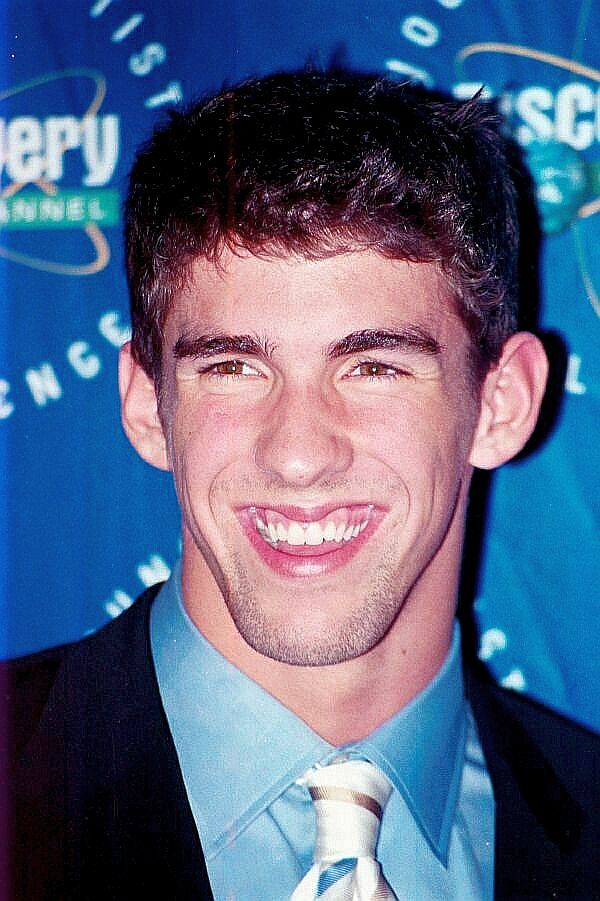
How would Michael Phelps's life have changed if his mom had not intervened?
Are labels like ADD and ADHD assets and not liabilities? Answer: They are assets.
How can we turn a person's challenge into greatness?
Phelps is the most successful Olympian, with 28 Olympic medals.
Image Credit: Michael Phelps. (2023, November 6). In Wikipedia. https://en.wikipedia.org/wiki/Michael_Phelps
About Coach Weber
Coach Larry Weber is the author of Jesus on the Track: A Christian Athlete's Guide to Handling Hard Days, Building Mental Toughness, and Growing in Faith. A 2026 Washington State Cross Country Coaches Hall of Fame inductee, Weber has built 13 state cross-country championship programs, coached USA Olympic Marathon Trials qualifiers, and is the all-time record holder in the Original Ultimate Runner Competition (10 k, 400 meters, 100 meters, a mile and marathon all ran on the same day). He writes about faith, running, and formation at coachweber.org.
Jesus on the Track is available on Amazon.com: Amazon.com: JESUS ON THE TRACK: A Christian Athlete's Guide to Handling Hard Days, Building Mental Toughness, and Growing in Faith eBook : Weber, Larry: Kindle Store
My other book, Mile Three: How your teenagers toughest moments become their greatest strengths is scheduled for publication on Amazon.com May 2026.
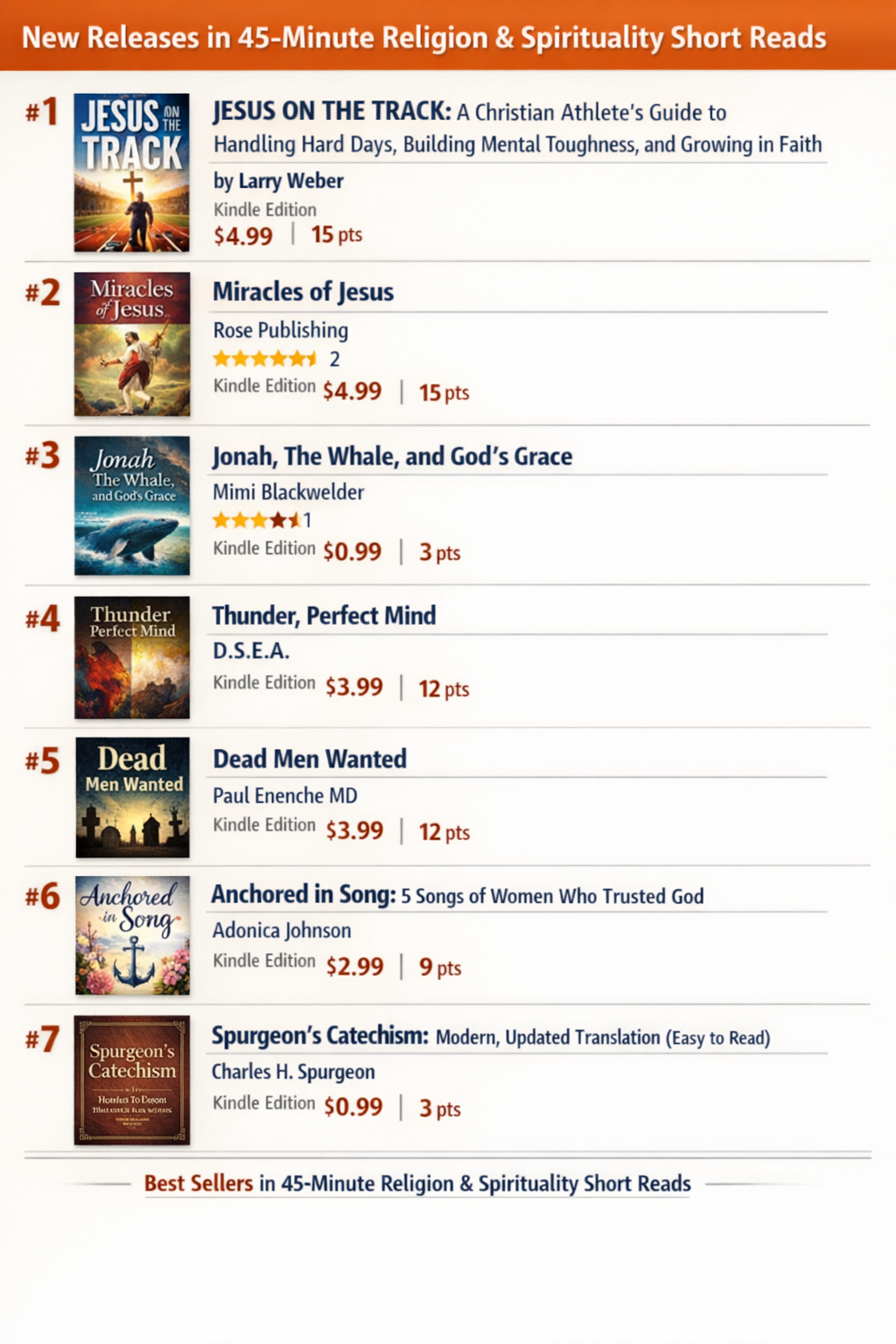
For those following along on the Amazon rankings — thank you for your encouragement. The #1 New Release is something I'm grateful for, though I want to be clear about what it means. Amazon ranks new releases separately from more established books with years of total sales behind them. It's a bit like being only at mile one of a marathon. Anything can happen over the next 25 miles. But mile one is behind us, and for that I'm thankful.
Please pass it along. All net proceeds go to support youth running.
If you like the book, please leave a short review on Amazon. This helps other athletes, parents, and coaches find the book online.
I can do all things through Christ who strengthens me. — Philippians 4:13
Coach Weber